Showing posts with label cooking. Show all posts

Monday, March 14, 2016

Digging the Dinardaraan!

Digging the Dinardaraan (Dinuguan)
Ways I Reconnected With My Pinoy Heritage
Many second through fourth generation young people of mixed heritage have a challenging task of balancing their American (or majority) culture with their family or ancestral culture. Particularly if you are like me. My mom and her brothers are very Americanized and I was too young to ask those deeper questions of my Ilocano, elderly grandfather and very private grandmother (both since passed). Without the stories of the past, of my grandparents’ lives in the Philippines and their eventual immigration to the United States, I can only piece together bits of their unique story. As it stands, my adult self feels very ignorant of my Filipino heritage but I deeply wish to to learn where I can. While I have a long way to go, here are a few ways I have begun reconnecting with pieces of my cultural heritage.

Extended Family Members

Talk to and connect to any and all extended family members you can! Filipino families are “notorious” for having numerous cousins, uncles, aunts, lolos, lolas and other family friends who are more than happy to share their experiences with you. In Filipino cultures, “it takes a village” takes on a whole new meaning. If you can’t visit them outright, reach out by calling and talking with them, sending them an email, connecting via social media or taking them out to coffee. You can start a private “family” group on Facebook, then invite your extended family to participate by sharing stories or photos, etc. Any way you can find to ask about your family heritage will help you discover new things.

Read!

The Internet is not just for cat videos ( they are cute, aren’t they?)! It can be a fantastic source of nearly unlimited information on just about any culture present, past (or future??) for you to learn. Outside the Internet, books, magazines, articles, blog posts, newspapers and radio broadcasts abound. Pretty much anything that might give you insight into your target culture is fair game. Better if you understand one or more of your target culture’s languages, as a variety of media gives a fantastic insight not only into past events, but current events that may be missed in mainstream American media. Focus on things you find interesting, such as dance or sports. Not only will you be more likely to stick with it when your research hits a roadblock, but you’ll be able to strike up conversations with others about topics you’re both passionate about, a sure way to connect even more!

Participate!

Social Media

Related to connecting with extended family, take a look at social media. Seek out people, places and organizations on Facebook, Linkedin, Instagram, Twitter and others related to your target culture. I have personally expanded my cultural network to include the Philippine American Writers and Artists, Inc (PAWA), the Filipino American National Historical Society, and the Kalesa Traveler and Positive Filipino magazines. This has resulted in both fantastic networking opportunities and chances to learn more about the Filipino diaspora across the United States.

EDSA_People_Power_Monument_Creative_Shot.jpg

By Maki R. (Own work) via Wikimedia Commons
EDSA People Power Monument, Philippines: Getting involved in celebratory events and learning about your heritage through study is one of the best ways to reconnect

Social events and contests

Once you’ve found a variety of interesting organizations through social media, keep up to date on potential contests and events in which to participate and contribute. It is a rare organization that will deny an interested volunteer a chance to participate! I wrote a submission for the EDSA/People Power Revolution Essay Contest, sponsored by PAWA, Inc, and won! I met many awesome people from the Fil-Am community in the Bay Area I otherwise would never have met.

Language learning clubs

Language is a fantastic way to connect with your heritage, as it gives valuable insight into so many aspects of the culture. Words used for food, animals, ways of life, professions, religion, etc are all communicated through language, and provides a door to media and music that might otherwise be closed. You will also meet others interested in the same thing as you, which will make the journey that much more enjoyable. Make sure to be patient and try to stay positive while experiencing the journey, it will likely be an enjoyable, lifelong pursuit.

Social Gathering clubs
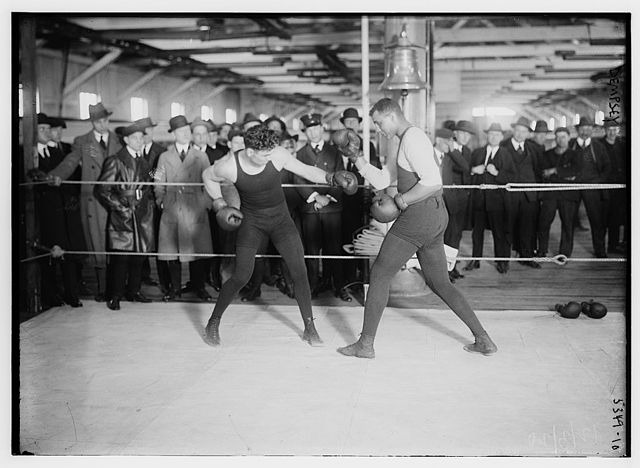
640px-Jack_dempsey_ring_loc_50497v.jpg
Colleges and local communities often have events and clubs focused on a specific region or nation of the world. Chinese American Club, Asian American clubs, Filipino Culture club, and many others are just a few examples. Sports clubs might tailor themselves around a specific nation’s sport, including Sumo or Escrima or boxing and martial arts. These are good areas to check out and connect with similarly interested people. It offers some of the same benefits as the language learning clubs and culture organizations, in that sharing community with people interested in some of the same things makes the experience much more enriching.


Media and Film

Popular media is another great way to experience a variety of aspects of your target culture. If the specific country has a film industry, seek these out on Amazon, Hulu, Netflix or other avenue that tailors to international films. I found that daytime Filipino dramas are highly popular, and stand up in passion and intensity with some of the best soap operas in the United States. Often, if movies or tv shows were released widely enough, there will also be subtitles (or dubbing) accompanying the original language, in English or your language. Watch them multiple times and see what aspects of the characters peak your interest, be it where they live, their profession, their mannerisms, their favorite food, etc.

512px-Riceburger.jpg

By CapnPrep via Wikimedia Commons
Fusion food culture in Asia: Rice-bun fast food (chicken?) sandwich,

Cook!

Everyone eats! Food and culture are intimately tied together. Food speaks to the region’s geography, culture and language. Search out recipes you’re interested in trying on the internet, or rent or buy a cookbook specializing in your chosen culture’s cuisine. Pick a leisurely day (often on the weekend) to shop and try out one recipe of your choice. Take the time to appreciate the different ingredients (maybe only available at a specialty market you may never have been to!) and the people who shop for the ingredients. Ask questions of your friends and family, if you are unsure about anything. Cooking not only helps you try the food of your target culture, but also connect in many ways with the past, as well. I happened to cook sinigang for the first time with a good Filipino friend in graduate school, and loved its strikingly pungent, vinegary goodness. The first time trying balut and dinuguan was definitely a culinary adventure, but I am so glad to have seen many sides of Filipino cuisine.
Dinuguan.jpg
By GracinhaMarco Abundo (Dinuguan) [CC BY 2.0 (http://creativecommons.org/licenses/by/2.0)], via Wikimedia Commons
My first time trying dinuguan (or dinardaraan in Ilocano) was in Daly City, CA. It was delicious after a long day of traveling. It had a very earthy, meaty texture and deep flavor, perfect with rice.

Take Action!

These are just a few ways we young, second through fourth generation, mixed parentage people can reconnect with a cultural heritage we may not have been able to experience as a kid. Maybe your family was like mine, and didn’t really practice or teach you much of their own culture. As a young person or an adult, you can feel a little closer to your grandparents and their parents by trying out a few of these tips.


Was there something I missed? Have you found something else that helps you keep connected? I’d love to hear about it!


Mabuhay!

Monday, February 16, 2015

Hungry History: Filipino Arroz Caldo!! (Lugaw)


By Robert Colinares (www.filipino-food-lovers.com) [Public domain], via Wikimedia Commons

Filipino chicken and rice stew! Sort of...


Arroz Caldo is a Spanish-influenced rice soup of Chinese inspiration, consumed by Spanish colonials who settled in the Philippines. An easy to digest food, it is often given the people who are sick or the elderly, as well as those in cold climates, due to being warm and flavorful.

Varieties of scrumptious ingredients depend on the specific region and individual preference of the preparer. Fried garlic and scallions are traditional ingredients in lugaw, the Tagalog term for this dish. Ginger, a favored ingredient in another Filipino favorite, adobo, is also sliced and boiled in the chicken or fish broth. Diced tofu, pork, beef cuts, soy sauce, calamansi, and black pepper are also flavorful ingredients in some variations. Try a taste of Cebu by adding Chinese sausage, bay prawns, bay leaf or olive oil, according to your specific recipe.

By Ramon FVelasquez (Own work) [CC BY-SA 3.0 (http://creativecommons.org/licenses/by-sa/3.0)], via Wikimedia Commons

Northern provinces in the Philippines, particularly Ilocanos, tend to prefer the Spanish-inspired arroz caldo to lugaw, though it seems to mainly be a difference of ingredients. If you want to switch up your chicken soup when you're feeling cold or otherwise hungry, next time try this recipe for arroz caldo and have a taste of the Philippines in no time!

Monday, February 2, 2015

Hungry History: Spam Musubi!!


Hawaii-Asian-American food at its finest!

Combining some of the best aspects of American modern food miracles and Japanese sushi rice recipes, Spam Musubi merges the umami of rice vinegar infused short-grain rice and nori (dried seaweed) with the sodium-rich protein goodness of Spam into a snack worthy of any lunch-box.

Spam's history dates to the World War II military bases in Hawaii, where soldiers' main protein rations consisted of canisters of Spam. Due to the prevalence of this canned wonder, Hawaiians began incorporating Spam into island recipes. The Japanese communities in Hawaii can be credited with fashioning Spam musubi, inspired by Japanese omusubi with more traditional Japanese ingredients.

Variations exist that incorporate such ingredients, including Japanese furikake (dried ingredients for mixing into rice) like egg, salmon, sesame seeds, and flavored nori. Additional ingredients for musubi include Japanese chicken katsu (fried cutlet) and hot dogs.

Depending on the individual variation desired, chefs may opt for Hormel's slightly healthier variations of Spam, including their 25% less sodium variation, turkey variation, or "lite" variation, used in the recipe prepared above.

The Spam of choice is marinated in a soy-based sauce, sometimes flavored with sugar or vinegar, then grilled or baked until slightly dry (I used 350-degree oven for ten minutes). Cooked rice is mixed with rice wine vinegar and layered on dried nori to desired thickness. Sliced Spam is then layered on rice with a desired sauce, including but not limited to Hawaiian or Japanese style katsu sauce, Japanese mayonnaise, or soy sauce.

These snacks can be wrapped in plastic wrap then stored, as Spam Musubi can be enjoyed hot or cold.

This recipe from Allrecipes should get you started, but the beauty is making it your own with your own flavors. Don't be afraid to experiment!


Monday, January 26, 2015

Hungry History: Sandwiches!!

Honey Whole Wheat Toast with Butter, Sun-dried tomatoes w/ olive oil, pepper jack cheese, salami, sliced turkey breast with balsamic-vinegar tomatoes and spinach

From peanut butter and jelly to turkey-avocado, Reuben sandwiches, and Philly cheese steak, we've all had one or two sandwiches we love. Today we're going to explore a little of the history behind the development of the sandwich.

The namesake is thought to come from John Montagu, the 4th Earl of Sandwich, because of his credited creation of this highly portable food. One story states that the Earl was in a terrible hurry and, as was common at the time, instead of eating the entire meal on a "trencher" or stale piece of bread, the Earl "wrapped" the meat and vegetables in the folded stale bread and ate on the run. Another states that he wished his valets to serve his food in such a manner because he wanted to continue playing cards and other hobbies without greasing his fingers or the playing cards.

Sandwich-type meals have been around for many generations, and are widely consumed in as diverse parts of the world as the Middle East, where Jewish individuals use unleavened bread with meat and various vegetables, to the common use of Naan-style bread in India, eaten most often with curries and other dishes. Also falling under the definition of sandwich are the various sweet versions like chocolate-cream sandwiches and ice cream sandwiches.

The Wall Street journal, going along with the Earl's claim, states that the sandwich was Britain's "biggest contribution to gastronomy."

Though the concept of the sandwich is rather easily understood among most globalized citizens today, there was a curious court case in Boston surrounding the legal definition of the sandwich. The story goes that a court in Boston fashioned a legal definition for the food due to a non-compete clause of a shopping center which already contained restaurants serving tacos, burritos, and quesadillas which, some argued, could be construed as a sandwich type food. The court found that these styles of food differed particularly because they do not utilize two slices of bread, but generally one tortilla. More information on the court case can be read here.

For more on sandwiches generally, the above link to the Wikipedia article is informative.


Monday, January 12, 2015

Hungry History: Convenience Food in the US

Cans, TV dinners, jarred preserves, box meals. All are examples of convenience food we often associate with today's grocery stores.

These types of meals have origins, partly, in most worldwide agricultural settlements where preservation and portability were required. One example, the Aztecs, shows that warriors and scouts often carried meals that required only the addition of water for easy transport and storage.

The 19th Century in the US brought innovations in packaging, particularly the viability of canning. Although canning had been around as early as the 1850's, the ability to make cans on a larger scale came about when machines allowed low-skilled operators to replace specialized tin workers in the manufacture of large-scale product quickly.

The ability to freeze food, particularly the innovation of refrigeration and refrigerated trucks, brought frozen meals and frozen veggies from across the world to the grocery cart of populations throughout the country.

A particularly important vehicle for the development of convenience foods was the experience of US military personnel in World War II. Required to survive, and fight, in often harsh, remote conditions, these soldiers required not only hearty meals, but shelf-safe packaging with easy preparation, often with just water. As the soldiers returned, the technology they utilized became adopted in the market. Private firm factories once dedicated to the manufacture of packaged goods for military use transferred their machinery, and advertising budgets, to marketing these same goods to the general public. The legacy of these convenience foods in the 1950's and beyond survives in our grocery stores as divergent products and crackers, cookies, snack bars, instant noodles, processed pasta and rice dishes, cereals, and a wide variety of other goods.


This meal pictured here showcases a prepackaged microwavable rice dish, including dehydrated peas and carrots with a powdered flavoring, frozen cut corn, and packaged smoked sausages browned on the stovetop and served on top. Alongside the food is a packaged lemonade flavored drink.

By 221.20 (Own work) [Public domain], via Wikimedia Commons

A personal favorite convenience food comes from Japan, their innovative packaging for onigiri (rice balls) ensures the nori (seaweed) stays crisp while the sushi rice and filling remains moist and delicious!

Monday, January 5, 2015

Hungry History: The Non-definitive Chicken Adobo


Chicken Adobo. This is a staple Filipino dish that, like many staple dishes, has about as many variations as there are islands in the Philippines. Is there sugar in the recipe? Ridiculous! Maybe ginger? How about soy sauce, Chinese or otherwise? Onions? Garlic? You get the idea.

While there will undoubtedly be unending debates over what recipe(s) truly represent "authentic" or "real" adobo, I'll be content to try different ones and continue making the ones I enjoy eating. To each there own.

Adobo, at its core, is a protein (often pork or chicken) that is braised in a vinegary sauce, sometimes including sabaw (soup), but sometimes cooked until the sauce boils off and the meat sears in the pan. 

Families with Chinese ancestry, cultural influence, or just food preference will often add Filipino soy sauce and vinegar. I use Datu Puti brand soy because that is what is available locally, but even low-sodium Kikkoman will have success, though a different flavor profile. The amount of garlic and ginger will vary with personal preference (I always had a healthy amount of garlic, keeps bad things away!)

My family is from Ilocos Norte, although whether the way my grandmother made it was regional or Filipino-American influenced, I'm not certain. She seemed quite influenced by Chinese-style cooking (her lumpia was almost always Chinese-style).

Like many aspects of Filipino culture, the name adobo derives from the Spanish word for marinade or sauce adobo/adobar, although the method is Filipino. In part because it preserves well, the cooking method for making adobo is thought to have been used since the Classical Period, although Chinese cultural influence replaced the traditional salt with soy in many recipes.

The beauty of this dish is that you can prepare it to your family's preferences, with adjustments to salt, soy, ginger, garlic, vinegar, and protein used. Don't let purists say your way isn't traditional or authentic. Adobo's beauty is its versatility. Use it, experiment, and find your own favorite flavors of the Philippines! Here's one recipe for chicken adobo I enjoy to get started, and it uses a slow cooker, so it is super easy to prepare!

Monday, December 29, 2014

Hungry History: Humble Pease Porridge and other Green food

By Brücke-Osteuropa (Own work) [CC0], via Wikimedia Commons

Humbly eaten since ancient times, even making an appearance in Aristophanes' The Birds , pea soup is at once nutritious and delicious with a variety of potential flavorings to match nearly any taste.

A meal that has variations throughout the world, pea soup is often made with dried green or yellow whole or split peas. Commonly prepared with salt pork or other meat, the consistency can range from thinner broth with specks of pea and meat (common American split pea soup) to a smoother, more even texture with a vibrant green or yellow color.

Throughout English cultural expressions, literature being one of them, pea soup is a commoner's food, worthy of scorn from the upper classes. This is due to the relative long shelf life and ease of preparation, requiring few expensive ingredients beyond peas, water, and a few choice flavorings.

Canada has a long-standing relationship with yellow pea soup, or soupe aux pois, with origins in the Quebec region.

In the United States, a modest tradition of Northern regions serving green tinted foods on Saint Patrick's Day has given rise to holiday menus including pea soup as a suitable course.

Even though this meal is quite cheap and easy to prepare, the history of the humble soup can be traced nearly anywhere in the Western world. It is a simple meal that packs a healthy amount of fiber and protein to help make you full without overloading on calories.

Monday, December 22, 2014

Hungry History: Chicken Cracklings (Chicharon Manok)


Filipino health food at its finest!

Had discarded organic chicken thigh skins from a successful slow-cooker chicken adobo and decided to try a chicharon manok recipe from Filipino Chow.

Was a little skeptical due to the simplicity of the ingredients, but that is the magic. Just a little salt and pepper to taste, and you have a delicious, indulgent snack.

Try it with a nice vinegar to get a balance of salty and tart.

Chicharon is a type of pulutan, or "finger food," in the Philippines, that takes a wide variety of animal cuts and fries them to a crisp, golden brown. Often these snacks are eaten with a form of alcohol, from beer to a favored liquor. The concept is similar to Spanish tapas or American appetizers or snacks, although the cultural meaning is a little more nuanced than "snacking."

Influenced by the Spanish culture that colonized the Philippines in the 16th Century, Filipino cuisine is a wonderful blending of Malay, Chinese, Spanish, and American influences. While some of the ingredients may be new to the American palette, Filipino cuisine really embraces the belief that a careful chef will use as much of the animal as possible when cooking. "Waste not, want not,"

Look to the "Hungry History" post each week to find links to new recipes from a variety of cultural influences.